Buy eko-gospodarstwo.eu ?
We are moving the project
eko-gospodarstwo.eu .
Are you interested in purchasing the domain
eko-gospodarstwo.eu ?
domain@kv-gmbh.de · 0541-91531010
Buy eko-gospodarstwo.eu ?
What is the difference between organic and eco-friendly products?
Organic products are made from ingredients that are grown without the use of synthetic pesticides, herbicides, or fertilizers, and are often certified by a regulatory body. Eco-friendly products, on the other hand, are designed to have minimal impact on the environment throughout their entire lifecycle, from production to disposal. While organic products focus on the natural ingredients used, eco-friendly products consider the overall environmental impact of the product. In essence, organic products focus on the ingredients, while eco-friendly products focus on the entire product lifecycle. **
Calorie deficit or calorie surplus?
Whether you should aim for a calorie deficit or surplus depends on your specific goals. If you are looking to lose weight, a calorie deficit is necessary as it means you are burning more calories than you are consuming. On the other hand, if you are trying to gain muscle mass, a calorie surplus may be beneficial as it provides your body with the extra energy needed for muscle growth. It's important to find the right balance that aligns with your individual goals and overall health. **


Similar search terms for Calorie
Top-Angebote
Products related to Calorie:
-
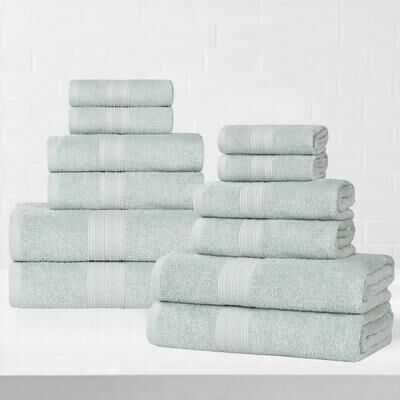
Superior Eco-Friendly Sustainable Cotton 12-Piece Bathroom Towel SetMade with incredibly soft recycled cotton, the Eco-Friendly Sustainable Cotton Bathroom Towel Set is the perfect green addition to any bathroom space. Our sustainable Cotton towels are lightweight to get you dry quickly after a shower or bath.78,99 $*Shipping: 0,00 $Secure redirect to the provider
-
Superior Eco-Friendly Sustainable Cotton 12-Piece Bathroom Towel SetMade with incredibly soft recycled cotton, the Eco-Friendly Sustainable Cotton Bathroom Towel Set is the perfect green addition to any bathroom space. Our sustainable Cotton towels are lightweight to get you dry quickly after a shower or bath.63,19 $*Shipping: 0,00 $Secure redirect to the provider
-
Superior Eco-Friendly Sustainable Cotton 12-Piece Bathroom Towel SetMade with incredibly soft recycled cotton, the Eco-Friendly Sustainable Cotton Bathroom Towel Set is the perfect green addition to any bathroom space. Our sustainable Cotton towels are lightweight to get you dry quickly after a shower or bath.61,91 $*Shipping: 0,00 $Secure redirect to the provider
-
Superior Eco-Friendly Sustainable Cotton 12-Piece Bathroom Towel SetMade with incredibly soft recycled cotton, the Eco-Friendly Sustainable Cotton Bathroom Towel Set is the perfect green addition to any bathroom space. Our sustainable Cotton towels are lightweight to get you dry quickly after a shower or bath.64,59 $*Shipping: 0,00 $Secure redirect to the provider



-
Is organic sustainable?
Organic farming practices can be more sustainable than conventional methods in terms of reducing chemical inputs, promoting biodiversity, and improving soil health. However, there are challenges to the scalability and efficiency of organic farming, which can impact its overall sustainability. For example, organic farming typically requires more land and labor to produce the same amount of food as conventional methods, which can limit its ability to meet global food demand. Additionally, the transportation and distribution of organic products can have a higher environmental impact due to their shorter shelf life and the need for refrigeration. Overall, while organic farming has many sustainable benefits, there are also limitations to its long-term sustainability on a large scale. **
-
Is a calorie intake of 2000 kcal a calorie surplus?
A calorie intake of 2000 kcal is not necessarily a calorie surplus. The number of calories needed for an individual varies based on factors such as age, gender, weight, and activity level. For some people, 2000 kcal may be a calorie deficit, while for others it may be a calorie surplus. It is important to consider individual needs and goals when determining if a calorie intake is a surplus or deficit. **
-
What is the difference between calorie deficit and calorie surplus?
Calorie deficit occurs when you consume fewer calories than your body needs, leading to weight loss as your body uses stored energy (fat) to make up the difference. On the other hand, calorie surplus occurs when you consume more calories than your body needs, leading to weight gain as the excess calories are stored as fat. Finding the right balance between calorie deficit and surplus is important for achieving and maintaining a healthy weight. **
-
How do you switch between calorie surplus and calorie deficit?
Switching between a calorie surplus and calorie deficit involves adjusting your daily calorie intake and expenditure. To switch to a calorie surplus, you would increase your calorie intake by consuming more food, particularly focusing on nutrient-dense, high-calorie foods. This can be combined with a decrease in physical activity to minimize calorie expenditure. To switch to a calorie deficit, you would reduce your calorie intake by consuming fewer calories, while also increasing physical activity to burn more calories. It's important to make gradual changes and monitor your progress to ensure a healthy and sustainable transition between the two states. **


Should one have a calorie deficit or a calorie surplus first?
It depends on your specific goals. If your goal is to lose weight, then starting with a calorie deficit would be beneficial. This means consuming fewer calories than your body needs, leading to weight loss. On the other hand, if your goal is to gain muscle mass, then starting with a calorie surplus would be more appropriate. This means consuming more calories than your body needs, providing the extra energy required for muscle growth. It's important to consult with a healthcare professional or a nutritionist to determine the best approach for your individual goals and needs. **
Are calorie counts meaningless?
Calorie counts are not meaningless, as they provide valuable information about the energy content of a food or beverage. However, they should not be the sole focus when making dietary choices. Other factors such as the nutrient content, portion size, and overall balance of the diet should also be considered. Additionally, individual calorie needs vary based on factors such as age, gender, activity level, and metabolism, so it's important to take a personalized approach to calorie intake. **
Top-Angebote
Products related to Calorie:
-
Uplift Essentials Natural Bamboo Eco Friendly Toothbrush 10 Piece Sustainable Family Pack Natural Bamboo Eco Friendly Toothbrush 10 Piece Sustainable Family PackTransition to a greener routine with this Natural Bamboo Toothbrush Set, a premium collection of bamboo products designed to reduce environmental impact without compromising on performance. Each handle is crafted from 100% sustainable bamboo,...37,97 $*Shipping: 0,00 $Secure redirect to the provider
-
The Handy Homestead Natural & Eco Friendly Drinking Straws For Hot & Cold Drinks Natural & Eco Friendly Drinking Straws For Hot & Cold DrinksTurn every sip into a statement with these beautifully simple natural wheat straws. Designed for ecoconscious individuals and businesses, this 100 Pcs of ecofriendly wheat straws offers a sustainable alternative to plastic and paper. Made from real...29,97 $*Shipping: 0,00 $Secure redirect to the provider
-
Superior Eco-Friendly Sustainable Cotton 12-Piece Bathroom Towel SetMade with incredibly soft recycled cotton, the Eco-Friendly Sustainable Cotton Bathroom Towel Set is the perfect green addition to any bathroom space. Our sustainable Cotton towels are lightweight to get you dry quickly after a shower or bath.78,99 $*Shipping: 0,00 $Secure redirect to the provider
-
Superior Eco-Friendly Sustainable Cotton 12-Piece Bathroom Towel SetMade with incredibly soft recycled cotton, the Eco-Friendly Sustainable Cotton Bathroom Towel Set is the perfect green addition to any bathroom space. Our sustainable Cotton towels are lightweight to get you dry quickly after a shower or bath.63,19 $*Shipping: 0,00 $Secure redirect to the provider
-
What is the difference between organic and eco-friendly products?
Organic products are made from ingredients that are grown without the use of synthetic pesticides, herbicides, or fertilizers, and are often certified by a regulatory body. Eco-friendly products, on the other hand, are designed to have minimal impact on the environment throughout their entire lifecycle, from production to disposal. While organic products focus on the natural ingredients used, eco-friendly products consider the overall environmental impact of the product. In essence, organic products focus on the ingredients, while eco-friendly products focus on the entire product lifecycle. **
-
Calorie deficit or calorie surplus?
Whether you should aim for a calorie deficit or surplus depends on your specific goals. If you are looking to lose weight, a calorie deficit is necessary as it means you are burning more calories than you are consuming. On the other hand, if you are trying to gain muscle mass, a calorie surplus may be beneficial as it provides your body with the extra energy needed for muscle growth. It's important to find the right balance that aligns with your individual goals and overall health. **
-
Is organic sustainable?
Organic farming practices can be more sustainable than conventional methods in terms of reducing chemical inputs, promoting biodiversity, and improving soil health. However, there are challenges to the scalability and efficiency of organic farming, which can impact its overall sustainability. For example, organic farming typically requires more land and labor to produce the same amount of food as conventional methods, which can limit its ability to meet global food demand. Additionally, the transportation and distribution of organic products can have a higher environmental impact due to their shorter shelf life and the need for refrigeration. Overall, while organic farming has many sustainable benefits, there are also limitations to its long-term sustainability on a large scale. **
-
Is a calorie intake of 2000 kcal a calorie surplus?
A calorie intake of 2000 kcal is not necessarily a calorie surplus. The number of calories needed for an individual varies based on factors such as age, gender, weight, and activity level. For some people, 2000 kcal may be a calorie deficit, while for others it may be a calorie surplus. It is important to consider individual needs and goals when determining if a calorie intake is a surplus or deficit. **
Similar search terms for Calorie
-
Superior Eco-Friendly Sustainable Cotton 12-Piece Bathroom Towel SetMade with incredibly soft recycled cotton, the Eco-Friendly Sustainable Cotton Bathroom Towel Set is the perfect green addition to any bathroom space. Our sustainable Cotton towels are lightweight to get you dry quickly after a shower or bath.61,91 $*Shipping: 0,00 $Secure redirect to the provider
-
Superior Eco-Friendly Sustainable Cotton 12-Piece Bathroom Towel SetMade with incredibly soft recycled cotton, the Eco-Friendly Sustainable Cotton Bathroom Towel Set is the perfect green addition to any bathroom space. Our sustainable Cotton towels are lightweight to get you dry quickly after a shower or bath.64,59 $*Shipping: 0,00 $Secure redirect to the provider
-
Superior Eco-Friendly Sustainable Cotton 12-Piece Bathroom Towel SetMade with incredibly soft recycled cotton, the Eco-Friendly Sustainable Cotton Bathroom Towel Set is the perfect green addition to any bathroom space. Our sustainable Cotton towels are lightweight to get you dry quickly after a shower or bath.80,99 $*Shipping: 0,00 $Secure redirect to the provider
-
Superior Eco-Friendly Sustainable Cotton 12-Piece Bathroom Towel SetMade with incredibly soft recycled cotton, the Eco-Friendly Sustainable Cotton Bathroom Towel Set is the perfect green addition to any bathroom space. Our sustainable Cotton towels are lightweight to get you dry quickly after a shower or bath.61,90 $*Shipping: 0,00 $Secure redirect to the provider
-
What is the difference between calorie deficit and calorie surplus?
Calorie deficit occurs when you consume fewer calories than your body needs, leading to weight loss as your body uses stored energy (fat) to make up the difference. On the other hand, calorie surplus occurs when you consume more calories than your body needs, leading to weight gain as the excess calories are stored as fat. Finding the right balance between calorie deficit and surplus is important for achieving and maintaining a healthy weight. **
-
How do you switch between calorie surplus and calorie deficit?
Switching between a calorie surplus and calorie deficit involves adjusting your daily calorie intake and expenditure. To switch to a calorie surplus, you would increase your calorie intake by consuming more food, particularly focusing on nutrient-dense, high-calorie foods. This can be combined with a decrease in physical activity to minimize calorie expenditure. To switch to a calorie deficit, you would reduce your calorie intake by consuming fewer calories, while also increasing physical activity to burn more calories. It's important to make gradual changes and monitor your progress to ensure a healthy and sustainable transition between the two states. **
-
Should one have a calorie deficit or a calorie surplus first?
It depends on your specific goals. If your goal is to lose weight, then starting with a calorie deficit would be beneficial. This means consuming fewer calories than your body needs, leading to weight loss. On the other hand, if your goal is to gain muscle mass, then starting with a calorie surplus would be more appropriate. This means consuming more calories than your body needs, providing the extra energy required for muscle growth. It's important to consult with a healthcare professional or a nutritionist to determine the best approach for your individual goals and needs. **
-
Are calorie counts meaningless?
Calorie counts are not meaningless, as they provide valuable information about the energy content of a food or beverage. However, they should not be the sole focus when making dietary choices. Other factors such as the nutrient content, portion size, and overall balance of the diet should also be considered. Additionally, individual calorie needs vary based on factors such as age, gender, activity level, and metabolism, so it's important to take a personalized approach to calorie intake. **
* All prices are inclusive of VAT and, if applicable, plus shipping costs. The offer information is based on the details provided by the respective shop and is updated through automated processes. Real-time updates do not occur, so deviations can occur in individual cases. ** Note: Parts of this content were created by AI.